The Desk Hydration System
Water, electrolytes, and better drinking habits while you work.
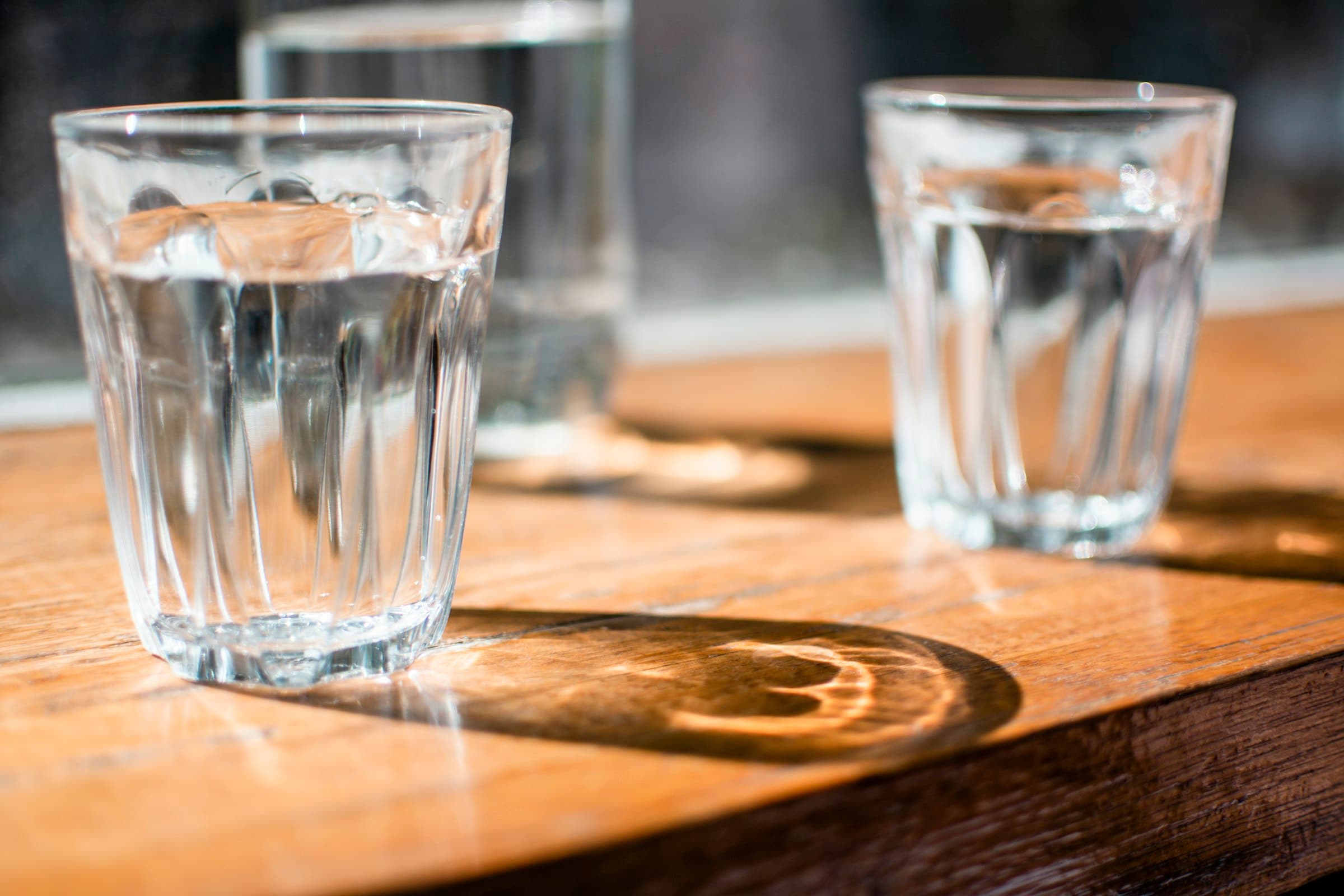
Hydration is easy to turn into a product: marked bottles, electrolyte powders, focus drinks, promising cans. At the desk, the useful version is quieter. It depends on a fixed place, visible water, a few check points, and a clear line between care and display.
A good system does not ask you to think about drinking all day. It keeps water present enough for the habit to return without adding another loud object to the work surface.
01. Hydration starts with visibility
A bottle hidden in a bag is not part of the workstation. A glass tucked behind the screen is not much better. If water is going to become a stable gesture, it needs a place you can find without searching.
Habit research helps explain this without overcomplicating it. In the study by Phillippa Lally and colleagues, participants chose a daily behavior tied to eating, drinking, or activity and repeated it in the same context. Automaticity increased with repetition in that stable context, though the timing varied widely between people. For a desk, the practical point is modest: placement matters.
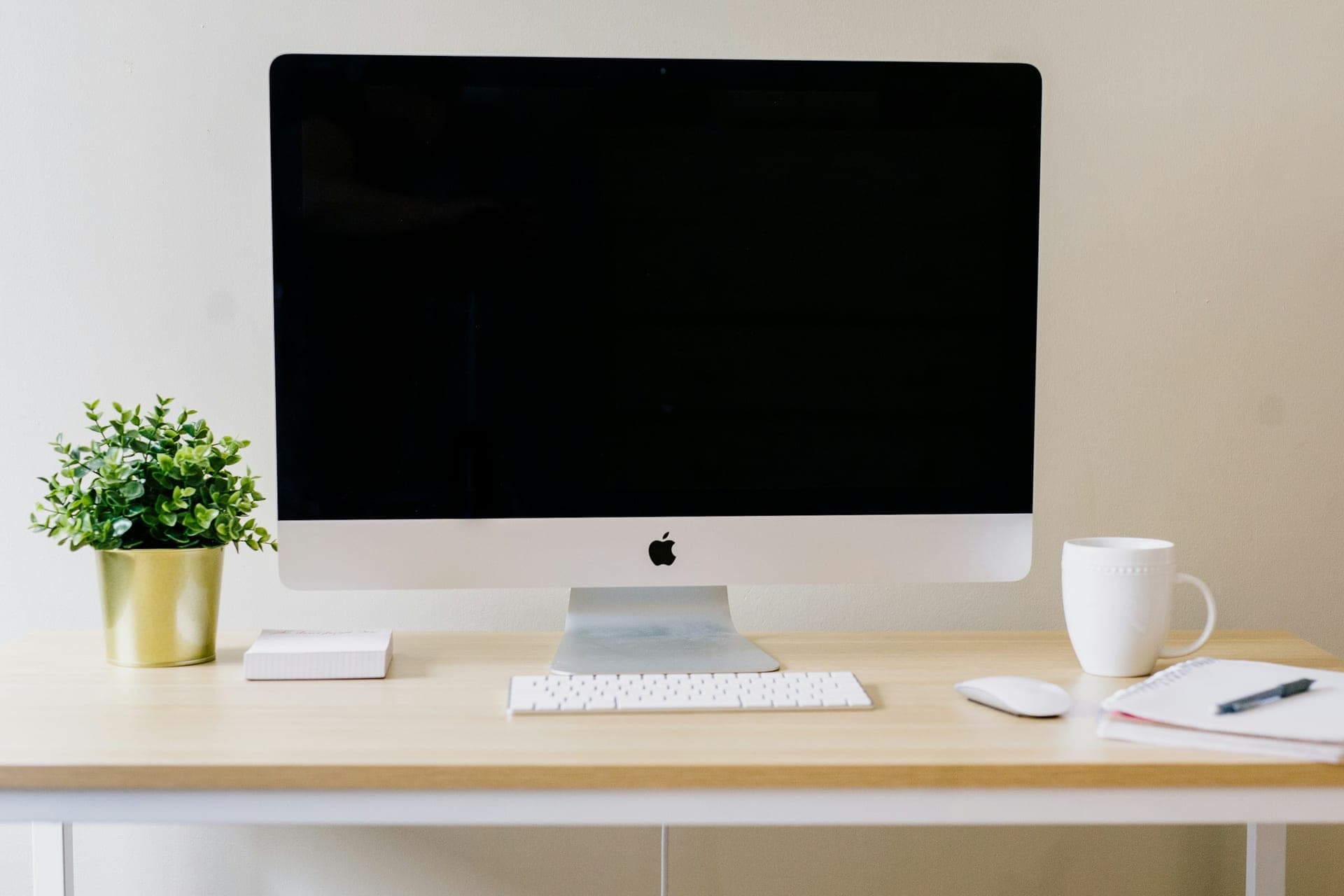
Put water in the active field of view, but outside the path of your hands. To the right or left of the computer, on a coaster, a small tray, or a fixed corner of the mat. It should be close enough to take without interrupting work and far enough away not to threaten the keyboard. Our home-office ergonomics guide details how to think through these zones around the screen and work surface.
Two separate areas
- Active areaKeyboard, mouse and current work.
- Water areaA stable place to the side, outside the path of your hands.
02. The baseline is still water
Big numbers travel well. They sound precise, but they do not replace context. Mayo Clinic notes that fluid needs vary with health, age, activity, weather, and environment. Ameli gives French readers a simpler frame: drink water every day, with extra attention in hot weather, unless a medical condition limits intake.
The nuance matters. This is not about forcing yourself to hit an abstract gauge. It is about not letting a workday mask simple cues such as thirst, dry mouth, or dark urine, or the fact that the room has become too warm.
The routine can stay simple: fill in the morning, drink at regular intervals, check the level midway, then reset. For an ordinary desk day, those cues matter more than a universal gauge.
During high heat, that logic matters even more: water should stay visible while the workstation changes rhythm. Our guide to heatwave remote work explains how to connect hydration, shade, breaks, and the choice of working place without turning the day into an anxious dashboard.
03. Electrolytes are situational
Sodium, potassium, and magnesium are electrolytes. They help with fluid balance and muscle and nerve function. That does not mean a colored powder belongs beside the keyboard every day.
NIOSH recommends balanced electrolyte drinks when sweating lasts several hours. Cleveland Clinic also places them after prolonged exercise, in high heat, or with fluid losses from fever, vomiting, or diarrhea. Outside those situations, water and regular meals are generally enough.
Electrolytes belong to specific contexts. They are not a sign of sophistication to leave permanently on the desk.
Use depends on context
- An ordinary office dayWater remains the starting point, alongside regular meals.
- Unusual fluid lossesProlonged sweating or illness: refer to the guidance cited in this section.
04. Read functional drinks as rituals, not medicine
In its 2026 trends, the National Restaurant Association names low-sugar energy drinks, fermented drinks, and personalized hydration among the leading beverage categories. That describes a commercial offer, not a medical need at the desk.
Still, those drinks need calm reading. A can may be pleasant. Unsweetened iced tea may replace a second coffee. A low-sugar sparkling drink may help someone who gets bored with still water. But a claim on a label does not become medical evidence because it sits beside a laptop.
The useful reflex is simple: look at added sugar, caffeine, stimulants, portion size, and timing. If the drink makes the desk more restless, leaves empty cans around the keyboard, or pulls attention toward the product itself, it is no longer serving the work.
05. Build a desk hydration ritual
A hydration ritual can stay low-tech. A few anchors are enough.
In the morning, fill the bottle, carafe, or glass before opening messages. Mid-morning, look at the level. At lunch, reset the zone: empty glass, refilled bottle, cleared cup. In the afternoon, pair the refill with a short walk. Getting water becomes a reason to stand up.
This keeps the refill from slipping entirely to the end of the day. Each trip for water can also mark a simple transition between work sessions.
Four points in the working day
- MorningRefill before opening messages.
- Mid-morningCheck the level.
- LunchRefill and clear the area.
- AfternoonUse a short walk as the next refill point.
06. What belongs on the desk
A few well-placed objects are enough: a bottle or carafe, a glass, a coaster, a small tray if the surface marks easily, maybe a cup of tea. Everything else should earn its place.
Cans accumulate quickly. As our article on how visible clutter pulls at attention explains, every extra object weighs in the background. Sugary drinks bring labels, color, waste, and often extra sugar or caffeine. Electrolyte packets are even more visible. If you need them for a specific context, keep them in a drawer or bag, not on permanent display.
The object that stays on the table should clarify the work. A desk mat can frame the active zone. A desk shelf can give the screen a stable line and free a secondary level. Water needs a clean edge, not a branded scene.
07. Make care repeatable
Making this care repeatable mostly means keeping water visible and giving it a fixed place. Refills can then follow the breaks already built into the day. Electrolytes stay reserved for contexts that justify them, while functional drinks remain a matter of taste or pause, not prescription. The desk supports a habit that can hold when the day fills up. It is one of those gathered by our remote-work well-being station.
Mayo Clinic, "Water: How much should you drink every day?"
CDC / NIOSH, "Workplace Recommendations: Heat"
CDC / NIOSH, "Keeping Workers Hydrated and Cool Despite the Heat"
INRS, "Travail à la chaleur. Ce qu'il faut retenir"
Cleveland Clinic, "Sports Drinks: Are Electrolytes Healthy for You?"
National Restaurant Association, "What's Hot in 2026? Healthier, functional beverages"